Start with your context
Useful advice begins with your priorities, your space and the resources you actually have.
Thoughtful planting, slower weekends and practical ideas for outdoor spaces of every size. Start where you are. Grow something good.
Plan your garden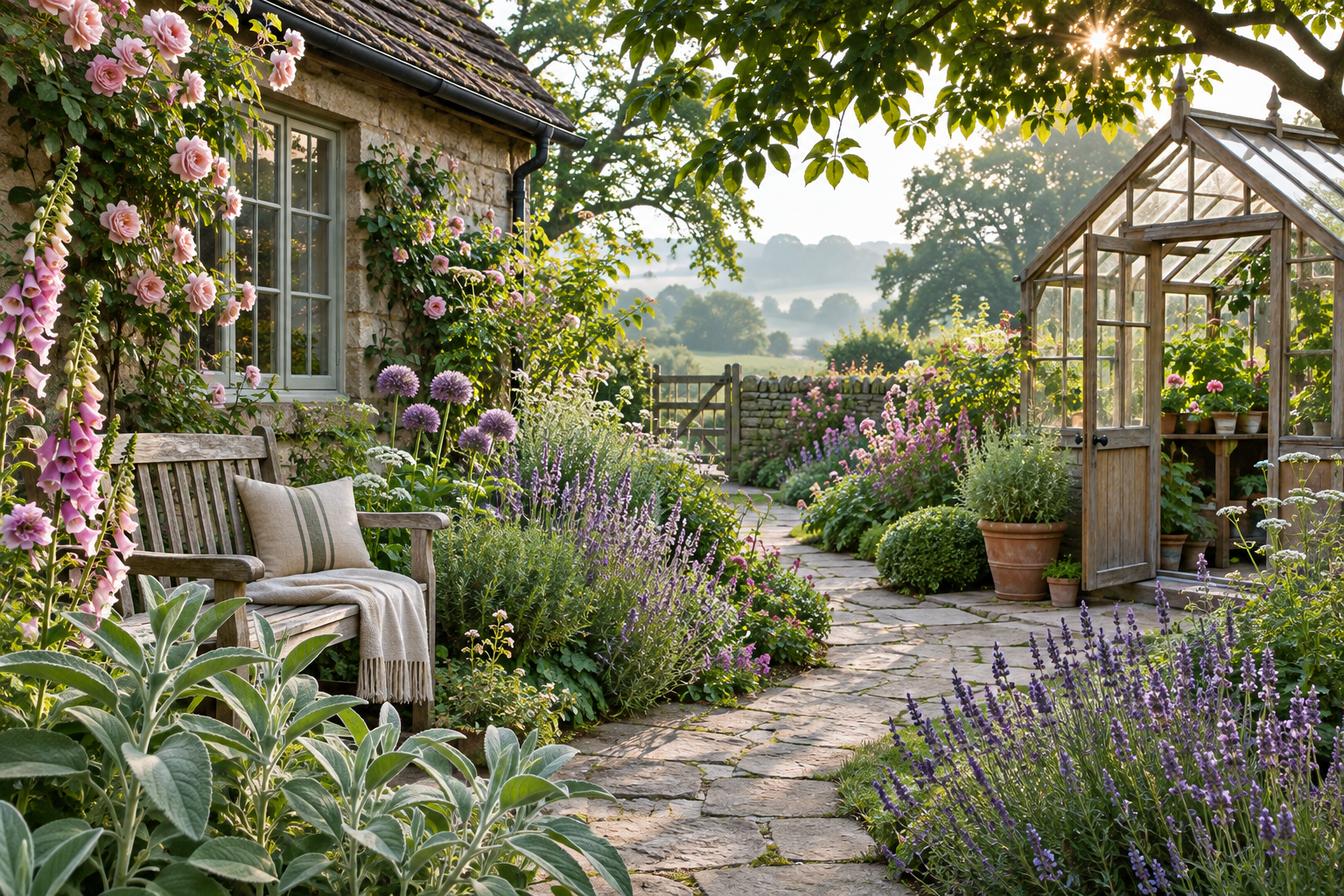
Help people cultivate resilient, welcoming outdoor spaces without losing sight of local climate, wildlife or their own time.
The story behind the ideaUseful advice begins with your priorities, your space and the resources you actually have.
A written scope and an understandable process make it easier to compare choices and ask better questions.
Recommendations should fit the brief. We explain trade-offs and leave room to review assumptions.
A rewarding border is more than a collection of plants that look good on one afternoon. Structure, flowering sequence and winter interest all matter. Start by observing how sunlight moves across the bed and whether rain drains quickly or lingers. These conditions give a more reliable design brief than a photograph alone.
Explore the full guideA balcony or compact courtyard can support fragrance, food and wildlife when each container earns its place. The first decisions concern weight, drainage and exposure. A windy fifth-floor balcony asks different things of plants than a sheltered courtyard, even when both occupy the same city.
Explore the full guideHealthy planting begins below the surface. Soil texture affects drainage, access to nutrients and the way roots establish. A simple observation notebook can be more useful than repeatedly adding amendments without a clear reason. Record moisture after rain, signs of compaction and the performance of existing plants.
Explore the full guideWe discuss your space, light and time available. A site visit or photo pack may be suggested before planting plans.
Wide shots of the area, close-ups of soil and existing plants, and the direction the bed faces.
Care schedules depend on season and plant choice — we outline what is realistic before you commit.
Share the question, the context and what matters most.
Review the starting point and the available options.
Agree a scope, assumptions and a sensible order of work.
Look at the result and decide what is useful next.
Watch a garden through more than one kind of weather. A border that is sunny in spring may sit under a leafy canopy in summer. Puddles after rain can reveal compacted ground, while dry edges near walls may need a different plant community. Keep a simple sketch showing light, shelter and access. These observations make plant choices more reliable than buying whatever happens to be flowering.
A useful garden calendar is local rather than absolute. Pruning windows, sowing dates and planting conditions depend on climate, soil and the particular species. Group jobs into observation, establishment and ongoing care. Leave seedheads or undisturbed areas where appropriate for wildlife, and check local invasive-species guidance before introducing an unfamiliar plant. Small, regular tasks are easier to sustain than a single exhausting weekend.
A garden has to work for the people using it. Consider a place to sit, safe routes in wet weather, storage and how watering will happen during holidays. A modest plant palette repeated thoughtfully can feel more generous than a crowded collection. Avoid claiming that any garden is maintenance-free: the aim is a level of care that fits the household and supports healthy growth.
A little closer to nature. Tell us a little about what you have in mind.
This is a demo enquiry flow. No service is booked by submitting this form.